

Most problems don’t announce themselves. They sit quietly in places people have already learned to work around: a missing bench, an unmarked boundary, a corridor nobody thought to shorten. By the time something is officially “a problem”, someone has usually been living inside it for years.
Spotting the problems others miss is a discipline Dr Yasmin Garia-Sterling has spent her career studying. Her research has taken her through hospitals, secure Ministry of Defence buildings, and university campuses, and underneath all of it is a repeatable method, not a talent she was born with. Here’s what it actually looks like.
-
Watch the person the system fails hardest, not the average person
Systems are designed around the middle: users who cope well won’t complain, and will get where they are going regardless. Dr Yasmin Garcia-Sterling’s research starts at the opposite end.
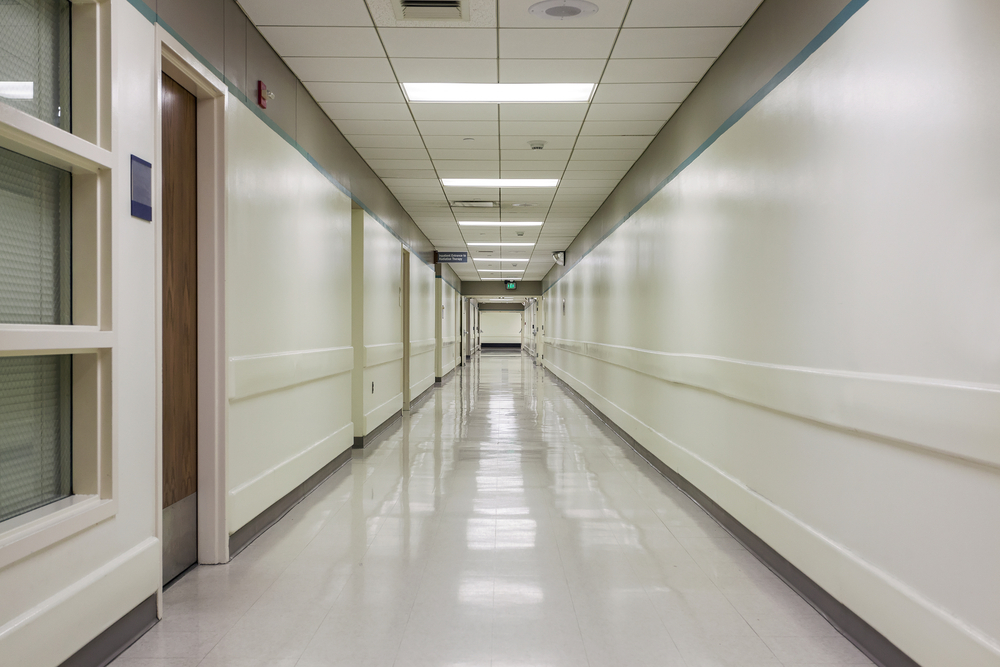
In her conversation with Brij Thankey on Unfiltered with Brij, she points to the cancer patient arriving for treatment already exhausted, having to walk down a long corridor that feels never-ending. Watch that person, not the person breezing through the same building and the design flaws that everyone else missed become obvious.
This lesson travels well beyond buildings. If you want to find what’s actually wrong with a process, a product, or a business, don’t study your best customer. Study the one who is barely holding on, and ask what would have made this easier for them specifically. That is where spotting the problems others miss becomes a practical tool rather than an abstract idea.
-
Look for what’s missing, not what’s broken
A missing bench doesn’t set off any alarms. At that moment, nothing is failing, broken, or even shows up on a maintenance report. It’s simply not there, and the only way to notice that is to stand in the space yourself and feel the absence.
“Something simple like a bench in a corridor helps so much, doesn’t it?” — Dr Yasmin Garcia-Sterling
Most audits are built to catch what is malfunctioning. Fewer are built to catch what was never there in the first place, and those are usually the more expensive gaps to leave unaddressed, because nobody flags them until someone is already standing in the space where the fix should have been.
-
Treat your own moments of exclusion as evidence, not just feelings
Dr Yasmin doesn’t separate her research from her own experience of not quite fitting into a space. She describes it as a method, not a memory.
“That’s where I come from with the lived experience.” — Dr Yasmin Garcia-Sterling
Her own account of not having any aspiration for university, of choosing an NVQ route instead, of feeling like conversations weren’t built for people who thought the way she did. It’s the same instrument she now uses to notice when other people are being quietly excluded by a design, a policy, or a room.
The moment something didn’t fit for you is data about what doesn’t fit for someone else, too, if you’re willing to treat it that way instead of filing it away as something personal. Most people doing the work of spotting the problems others miss trace their sharpest instincts back to a moment they once tried to forget.
-
Spotting the problem others miss starts with asking a better question
“What’s wrong with this?” looks for a fault to name. “What’s contributing to this?” traces backwards through everything feeding into the moment, and it rarely stops at the first answer. These questions sound similar, but they point in different directions.
Dr Yasmin arrived at this question years before her PhD, simply by watching people struggle on the London Underground.
“You’re just thinking to yourself, really, like, what is contributing to this? How can I really make someone’s life just a little bit better every single day?” — Dr Yasmin Garcia-Sterling
That question doesn’t require a research budget. It requires stopping at the moment most people walk past, and asking what fed into it rather than assigning it a label and moving on.

-
Look where people can’t or won’t say anything is wrong
The hardest problems to spot aren’t always hiding in unusual places. They sit in places where the person experiencing them has no easy way to raise them. Dr Yasmin’s work inside secure Ministry of Defence buildings is the clearest version of this: visitors are cleared to move through certain areas unescorted, but the boundary of what they cannot access is never explained, and there’s no one available to ask.
“It gives you an additional sense of anxiety. It gives the space an additional level of uncertainty.” — Dr Yasmin Garcia-Sterling
Every organisation has a version of this room: the process nobody questions because questioning it feels like admitting you don’t understand something you’re supposed to already know. Those are usually the places where problems never surface in a survey, because nobody is ever going to be the one to bring them up.
Summing Up
Spotting the problems others miss doesn’t require a research budget or a PhD. It starts by studying the person struggling hardest rather than the one coping fine, looking for what’s absent rather than just what is malfunctioning, taking your own experience of not fitting seriously enough to use it as evidence, asking what is contributing to a problem rather than just what is wrong, and looking in the rooms where nobody feels able to speak up.
This piece draws on a conversation with Dr Yasmin Garcia-Sterling on Unfiltered with Brij Thankey.
Watch on YouTube, or listen on Spotify and Amazon Music.
More conversations like this are available at brijthankey.com.
Frequently Asked Questions
How do you notice problems that other people have missed?
Start by observing the person the system serves worst, not the person it serves best. Problems invisible to an average user are usually obvious to someone struggling at the edges of a process, a building, or a product. Spotting the problems others miss almost always starts there.
Why are missing features harder to spot than broken ones?
A broken feature announces itself through failure. A missing feature announces nothing at all, because there’s no malfunction to trace, only an absence that someone has to actively notice by standing in the gap themselves.
What does “lived experience” mean in research or design?
It means treating your own experience of exclusion, friction, or not fitting into a space or system as usable evidence, rather than dismissing it as a personal reaction unrelated to the wider design.
Why does asking “what’s contributing to this” work better than asking “what’s wrong”?
Asking what’s wrong tends to stop at the first identifiable fault. Asking what’s contributing to something traces the causes feeding into it, which usually reveals more of the picture and points toward a more durable fix.
Where do the most overlooked problems tend to hide?
In places where the people experiencing them have no easy way to raise them, whether that’s a secure environment, an unspoken workplace norm, or a process nobody wants to admit they don’t fully understand.